Zero-turn mower blades won't engage: Safe diagnosis
Quick answer
If a zero-turn mower's engine runs but the blades will not engage, do not assume the PTO clutch has failed. First identify the exact mower, deck, serial range, and engagement system; then classify what happens when the blade control is used. No response, an engine shutdown, a click without blade movement, and blades that start then stop lead to different checks involving operating conditions, interlocks, electrical supply, the belt and deck drive, or model-specific clutch diagnosis.
How to triage zero-turn mower blades that will not engage
Classify the symptom safely before authorizing interlock, electrical, belt, deck, or PTO clutch service.
1. Identify the exact machine
Record the mower model, serial number, deck identifier, power source, and whether the manual shows an electric clutch, mechanical engagement system, or deck motor.
2. Record the failure moment
Note whether the engine is running and whether the command produces silence, an engine shutdown, a click without blade movement, brief engagement, or a stop under load or after warm-up.
3. Shut down and isolate
Park level, disengage the PTO, set the parking brake, secure the controls, stop the engine, remove the key, wait for all movement to stop, and follow the exact manual's accidental-start procedure.
4. Confirm normal operating conditions
Use the matched operator manual to verify seat, brake, control-lever, throttle, battery-state, and PTO-reset requirements without bypassing any safety device.
5. Inspect only permitted stopped items
Check accessible belt condition and routing, guards, debris, connectors, and the specified fuse only where the manual assigns those checks to the owner. Do not reach under the deck or open an energized circuit.
6. Prepare the service handoff
If the cause is not an owner-serviceable item, tag the mower out and provide the technician with the model records, symptom timing, recent work, visible evidence, and steps already completed.
Common questions
- Why won't my zero-turn mower blades engage?
- Possible branches include an unmet operating condition, a safety-interlock fault, a disconnected or damaged PTO control, a blown fuse or other supply problem, a loose or damaged deck belt, a restricted idler or spindle, or a model-specific clutch fault. The response at the exact moment you command the blades helps choose the right branch.
- Does no click from the PTO clutch mean the clutch is bad?
- No. No click can also mean the model is correctly withholding engagement, the control or interlock circuit is open, a connector is loose, a fuse has opened, or electrical power is unavailable. Use the exact wiring diagram and service procedure; do not jump the clutch or bypass an interlock.
- Why do the blades engage and then stop?
- Record whether they stop immediately, under grass load, after hitting debris, or only after warm-up. Those patterns can separate an operating-condition or interlock event from belt slip, deck restriction, an intermittent connection, electrical protection, or a clutch problem. Shut down before inspecting anything.
- Can I test a mower PTO clutch with a battery jumper?
- Do not use a generic live-jumper test. It can bypass the mower's safety logic, create arcing, start the deck unexpectedly, or damage a controller. A qualified technician should use the exact model schematic, specified instruments, and manufacturer procedure.
Source note: Reviewed against current Husqvarna zero-turn support and a Z146 operator manual, a current Toro TimeCutter operator manual, CPSC mower-safety guidance, and OSHA hazardous-energy guidance. Interlock logic, fuse ratings, connectors, belt routes, clutch specifications, and isolation procedures vary by model and serial range.
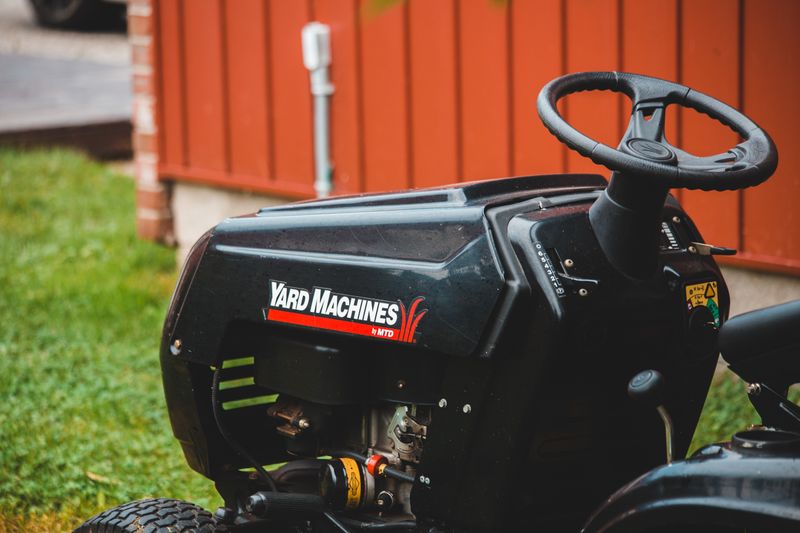
If your zero-turn mower blades won’t engage, start with the symptom—not a replacement PTO clutch. Confirm the exact mower, serial range, and deck manual, then record what happens when you use the blade-control switch or lever.
The safest order is: engine state → normal PTO operating conditions → interlock behavior → stopped electrical inspection → belt and deck drive → model-specific clutch service. A silent deck, an engine that shuts down, a clutch that clicks without turning the blades, and blades that stop after engagement are not the same failure.
Zero-turn mower blade engagement diagnosis at a glance
| What happens | Start with this branch | What not to assume |
|---|---|---|
| Engine will not start or keep running | Diagnose the engine/no-start symptom first | A nonrunning engine does not prove a PTO fault |
| Engine runs; blade command produces no change | Required operating conditions, PTO control, interlock status, fuse and accessible connectors | Silence alone does not prove the clutch coil failed |
| Engine shuts down as soon as PTO is commanded | Operator-presence logic, control position, engine response, or a restricted deck drive | Do not bypass the seat or brake switch to “prove” it |
| A click or load change occurs, but blades do not turn | Deck belt, routing, idler, pulley, spindle, obstruction, and clutch-to-belt transfer | A click does not prove the deck is mechanically free |
| Blades start, then stop immediately | Interlock event, loose connection, belt leaving its path, deck restriction, or protection logic | Do not keep cycling the switch |
| Blades stop under grass load or after warm-up | Belt slip, restricted deck component, engine/load problem, intermittent supply, or clutch fault | Do not adjust an air gap from a generic specification |
| Blades rotate, but leave strips or cut unevenly | Blade, belt-under-load, deck setup, tire, grass, and technique diagnosis | This is not a complete no-engagement symptom |
This table chooses the next manual section. It does not identify a failed switch, fuse, wire, clutch, belt, or spindle by itself.
Make the mower safe before inspecting it
Park on firm, level ground away from bystanders. Disengage the blade control, move the steering controls to the manual’s park or neutral position, set the parking brake, stop the engine, remove the key, and wait for the blades and every other moving part to stop. Let the engine, muffler, clutch, and belt area cool.
Follow the exact manual for accidental-start prevention. Depending on the machine, that may involve securing spark-plug leads, disconnecting a battery cable in a specified order, removing a battery pack, or applying a workplace energy-control procedure. The key switch alone may not isolate every source of electrical, mechanical, or stored energy.
Never:
- Reach under a running deck or watch an exposed belt with the engine operating
- Bypass a seat, brake, lap-bar, rollover-protection, or operator-presence interlock
- Feed battery power directly to a clutch or connector as a generic test
- Substitute a larger fuse, bridge fuse terminals, or follow generic wire colors
- Use an unsupported clutch air gap, resistance, or voltage value
- Work under a raised mower supported only by a jack
The U.S. Consumer Product Safety Commission advises stopping the mower, confirming the blades have stopped, and disconnecting the spark plug before further maintenance. Your matched manufacturer instructions control the exact isolation steps for this machine.
1. Separate an engine problem from a blade problem
The engine must start and run normally before a blade-engagement diagnosis makes sense. If it does not crank, cranks without starting, or starts and immediately dies before you command the deck, use the zero-turn mower no-start decision tree.
If the engine runs but bogs, surges, smokes, or dies only when the blades are commanded, record that response. The deck may be adding load, but an engine or interlock problem can produce a similar result. Do not repeatedly engage the PTO to force the mower through abnormal noise, smoke, odor, vibration, or stalling.
2. Confirm the machine’s normal PTO conditions
Write down:
- Mower model and serial number
- Deck model, width, and attachment identifiers
- Gasoline, battery-electric, or other power system
- PTO switch, mechanical lever, electric clutch, or individual deck-motor design
- Seat, parking-brake, lap-bar, throttle, and key positions
- Whether this began after storage, impact, washing, battery work, belt service, or deck removal
- Cold or warm machine, no load or grass load, and time until failure
Manufacturers do not use one universal engagement sequence. Husqvarna’s current zero-turn support says its safety system prevents blade rotation when the operator is not seated. A current Toro TimeCutter manual similarly explains that its safety-interlock system controls starting and engine shutdown, warns against tampering, and provides an exact operator test.
Use only the test printed in the manual for your model and serial range. If the system fails that prescribed check, keep the mower out of service and use an authorized service provider. Do not hold a switch closed, add a jumper, tape a seat switch, or change the adjustment to defeat the safety response.
Some controls also require a reset sequence after an interlock event. Return the blade control to OFF and restore the specified operating position before trying once more by the manual. Repeated switch cycling is not a repair.
3. Read the response when the PTO is commanded
No sound or engine response
First confirm that the manual’s operating conditions are met. After shutdown and isolation, inspect only accessible items assigned to the operator: a damaged switch knob, displaced connector, obvious harness damage, battery damage, or a named fuse.
Fuse location and rating are model-specific. For example, the Husqvarna Z146 manual locates labeled fuses below the seat and lists a loose electromagnetic-coupling contact, a damaged or disconnected blade-drive connection, a loose deck belt, and a blown fuse as separate no-blade-drive branches. Those details apply to that model, not every zero-turn mower.
A replacement fuse must have the exact type and rating specified by the matched manual. If it opens again, stop. Installing a larger fuse or repeatedly replacing it can turn a circuit fault into heat, arcing, controller damage, or fire.
Engine shuts down when you command the blades
An immediate shutdown can be the safety system responding to an operator or control condition. It can also happen when the engine cannot accept the deck load or when the deck drive is restricted. Record whether the engine stops cleanly or labors first, whether an indicator or code appears, and whether the event is cold, warm, or load-dependent.
Do not bypass the interlock to separate those possibilities. A technician can use the model’s schematic and service process after the belt and deck have been inspected in a stopped, isolated state.
Click or load change, but no blade movement
A click suggests that something responded; it does not prove the clutch transferred torque or that the belt remained on its path. Once the machine is fully isolated, compare the deck belt with the routing decal and parts diagram. Look for:
- A missing, loose, broken, glazed, cracked, or frayed belt
- A belt outside a pulley, keeper, or idler
- A missing or damaged tensioner spring
- Packed debris or visible obstruction
- A loose, tilted, damaged, or heat-marked pulley
- Evidence of a restricted idler or spindle
- Recent deck or belt work that changed routing or assembly
Complete only the hand-rotation, access, blocking, spring, and guard procedures the exact manual permits. If the belt has left its path, use the separate zero-turn belt failure-moment guide instead of reinstalling it and trying again.
Blades engage, then stop
Timing matters. An immediate stop after the operator shifts position points toward a different branch than a fade in tall grass or a failure that appears only after warm-up.
Record:
- Time from engagement to stop
- Operator and control positions
- Whether the engine also changes speed or shuts down
- Grass load, deck height, slope, and recent impact
- Any click, squeal, odor, smoke, vibration, warning light, or code
- Whether the belt remains correctly routed after shutdown
A belt can slip without coming off. A restricted spindle or idler can increase load. A loose connector or model-specific protection circuit can open intermittently. An electromagnetic clutch can also develop a heat-related fault, but that conclusion requires the correct service data and instruments.
4. Keep electrical testing within the service boundary
After isolation, an owner may be able to inspect an accessible connector or replace a labeled fuse if the operator manual explicitly provides the procedure. Live voltage, current, resistance, continuity, switch-state, clutch-coil, controller, and harness diagnosis belongs to a person qualified for that mower and its electrical hazards.
Generic internet instructions often assume a 12-volt electromagnetic clutch and a particular wire color. That assumption can be wrong for a different serial range, a commercial control module, or a battery-electric zero-turn mower. Directly jumping a component can defeat the interlock chain and make the deck start without warning.
A useful technician handoff includes the exact model records, schematic revision, battery condition, fuse history, indicator codes, symptom timing, and visible connector or belt evidence. It is more valuable than a bag of parts changed without a test plan.
5. Treat clutch settings as model-specific
“PTO clutch not engaging” is a symptom, not a diagnosis. Some mowers use an electromagnetic clutch; others use a mechanical engagement system, controller-managed motors, or a different deck drive. Even among electromagnetic clutches, air-gap design, adjustment points, torque, coil specifications, connector arrangement, and replacement procedure can vary.
Do not copy an air gap, burnishing routine, resistance range, or installation stack from another brand or clutch. A qualified technician should compare the actual component and serial range with current manufacturer service information and verify the upstream control circuit before condemning the clutch.
If the blades are turning but the mower leaves a narrow missed band or uneven finish, move to the uncut-strips and uneven-cut diagnostic. That guide preserves the separate blade, deck, turf, and technique intent instead of treating cut quality as complete PTO failure.
When to stop and call a technician
Keep the mower out of service for:
- A failed manufacturer interlock test
- Repeated fuse failure, damaged insulation, heat, arcing, smoke, or melted connectors
- A belt repeatedly leaving its route
- A seized, loose, wobbling, or heat-damaged deck component
- Abnormal clutch noise, odor, or visible damage
- A controller code not resolved by the operator manual
- Any diagnosis requiring energized access, a bypass, or work under an unsupported machine
For business equipment, tag the mower out and add the evidence to the commercial mower maintenance record. Employers should apply the machine-specific hazardous-energy program required for the work rather than relying only on ordinary operator shutdown.
Next step: make a PTO service packet
Photograph the mower, deck, and power-system identification labels. Write one sentence describing the event: “Engine warm, operator seated, controls in the manual’s mowing position; no sound when PTO is commanded,” or “clutch clicks, belt remains still, engine speed unchanged.” Add recent service, impact, washing, storage, battery, and fuse history.
Then follow the single matched manual branch. Correct only an item the manual assigns to the owner. If the fault remains, give the packet to a qualified technician and keep the machine tagged out. This prevents unsafe repeat tests and helps the technician distinguish a command or interlock problem from electrical supply, belt/deck drive, or the clutch itself.
Sources and image credit
Keep each zero-turn symptom in the right diagnostic path
Use these guides when the primary symptom is a no-start, a belt leaving its route, poor cut quality, or a fleet defect rather than a blade-control response.
- Zero-turn mower no-start guide
Start here when the engine will not crank, start, or keep running before the PTO command.
- Zero-turn mower belt diagnostic
Use failure timing and stopped-system evidence when the belt has left its pulley path.
- Uncut strips and uneven cut
Move here when the blades rotate but the finished cut shows bands, ridges, or missed grass.
- Commercial mower maintenance checklist
Tag out the unit and preserve model, symptom, hour, and repair records for fleet service.

TurfTech HQ Editorial Team
Independent trade-focused editorial team