Best Zero-Turn Mowers in 2026: Reviews and Buying Guide
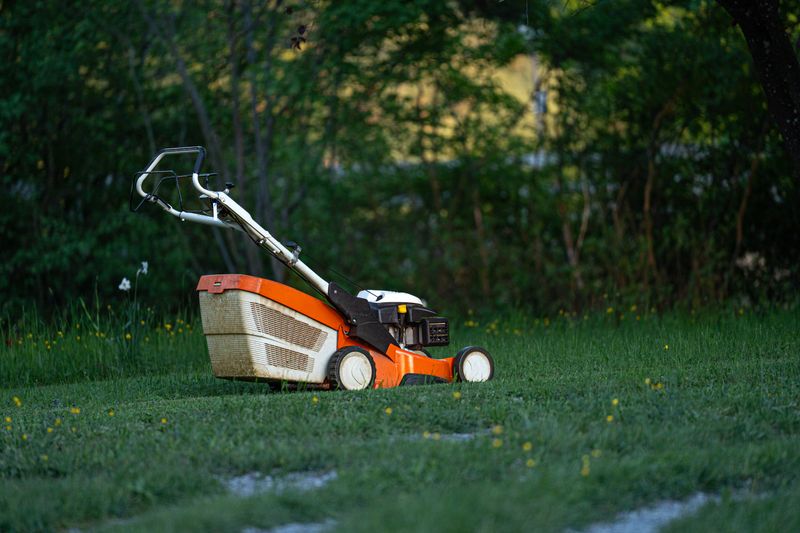
If you maintain a lawn larger than half an acre, a zero-turn mower is the single most transformative piece of equipment you can buy. The combination of lap-bar steering, high blade-tip speed, and wide cutting decks means you can mow in a fraction of the time a traditional tractor requires — and the quality of cut is almost always superior.
But zero-turn mowers span an enormous price range. A residential model from Troy-Bilt or Husqvarna costs around $2,500, while a commercial-grade Scag or Ferris can exceed $12,000. Buying too little machine for your property leads to frustration and premature wear. Buying too much means thousands of dollars spent on capability you will never use.
This guide breaks down the best zero-turn mowers available in 2026 across residential, mid-grade, and commercial categories — so you invest in exactly the right machine.
What Makes a Zero-Turn Mower Different
Lap-Bar Steering
The defining feature of a zero-turn mower is its dual lap-bar (also called lap-stick or lever) steering system. Each rear wheel is independently driven by its own hydraulic pump and wheel motor. Push both bars forward and the mower drives straight. Pull one bar back and the mower pivots around that wheel — achieving a true zero-degree turning radius.
This allows you to mow around trees, landscape beds, and obstacles without the wide looping turns required by a traditional lawn tractor. The result is fewer uncut strips, less trimming, and significantly faster mowing times.
Deck Size and Cutting Width
Zero-turn mowers typically offer deck sizes from 32 inches up to 72 inches. Larger decks cover more ground per pass but require wider gates, more storage space, and are harder to maneuver in tight areas.
| Property Size | Recommended Deck Size |
|---|---|
| 0.5–1 acre | 42–46 inches |
| 1–2 acres | 46–54 inches |
| 2–4 acres | 54–60 inches |
| 4+ acres | 60–72 inches |
Fabricated vs. Stamped Decks
Stamped decks are pressed from a single sheet of steel using a hydraulic press. They are lighter, less expensive, and deliver excellent cut quality on well-maintained lawns. Found on most residential models.
Fabricated decks are welded together from heavier-gauge steel (typically 7 or 10 gauge). They are thicker, more resistant to impacts from rocks and debris, and standard on commercial models. If your property has rough terrain, exposed roots, or debris, a fabricated deck is worth the extra cost.
Engine Configuration
Most zero-turn mowers use one of two engine layouts:
- Single engine (V-twin): The standard configuration. A vertical-shaft V-twin engine drives both the deck (via belt) and the hydraulic pumps. Most residential and mid-grade models use this setup.
- Dual engine: Extremely rare on consumer models and generally reserved for large commercial units.
Engine brands you will see most often: Briggs & Stratton, Kawasaki, Kohler, and Honda. Kawasaki and Honda command the highest prices but are widely regarded as the most durable.
Best Zero-Turn Mower Reviews 2026
1. Troy-Bilt Mustang 46 — Best Budget Zero-Turn
Price: ~$2,499 | Deck: 46-inch stamped | Engine: 22 HP Briggs & Stratton Intek V-Twin | Top Speed: 5.5 mph
The Troy-Bilt Mustang 46 is the best entry point into zero-turn mowing for homeowners with 0.5 to 1.5 acres. It delivers the core zero-turn experience — lap-bar steering, tight maneuverability, and fast straight-line speed — at a price that undercuts most competitors by $500 or more.
The Briggs & Stratton engine provides reliable power for flat to gently rolling terrain. The stamped steel deck produces a clean cut in normal grass conditions. The high-back seat is reasonably comfortable for mowing sessions under 90 minutes.
Pros:
- Most affordable name-brand zero-turn available
- 46-inch deck is versatile for medium lawns with gates
- Reliable Briggs & Stratton power
- Easy to operate for zero-turn beginners
- Readily available parts and service
Cons:
- Not suitable for rough terrain or steep slopes
- Stamped deck is vulnerable to damage from rocks and debris
- Manual deck height adjustment (no foot pedal)
- Smaller fuel tank requires more frequent refueling on large properties
Best for: Homeowners with 0.5–1.5 acres of relatively flat, well-maintained lawn who want zero-turn speed without the premium price tag.
2. Husqvarna Z246 — Best Residential Zero-Turn Overall
Price: ~$3,299 | Deck: 46-inch stamped | Engine: 21.5 HP Kawasaki FR Series V-Twin | Top Speed: 6.5 mph
The Husqvarna Z246 is the sweet spot for residential zero-turn buyers. The Kawasaki FR engine is a significant step up in smoothness and longevity compared to the Briggs engines found at lower price points. The 46-inch deck is reinforced with a steel lip for added durability, and the overall build quality is a noticeable upgrade from entry-level models.
Husqvarna’s zero-turn platform is one of the most widely serviced in the country — virtually any small engine repair shop can work on one. The Z246 also includes a convenient foot-pedal deck lift, a feature usually reserved for more expensive models.
Pros:
- Kawasaki engine is smooth, reliable, and long-lasting
- Foot-pedal deck lift is a major convenience upgrade
- Reinforced stamped deck handles typical residential conditions
- 6.5 mph top speed covers ground quickly
- Excellent parts availability and dealer network
Cons:
- Not designed for commercial use or very rough terrain
- Seat could be more comfortable for extended sessions
- No built-in hour meter on base model
Best for: Homeowners with 1–2 acres who want a reliable, well-supported zero-turn that will last 8–12 years with proper maintenance.
3. Ariens IKON XD 52 — Best Mid-Range Zero-Turn
Price: ~$3,899 | Deck: 52-inch fabricated | Engine: 23 HP Kawasaki FR V-Twin | Top Speed: 7 mph
The Ariens IKON XD bridges the gap between residential and commercial mowers. The fabricated 10-gauge steel deck is the standout feature — it is dramatically more durable than the stamped decks found on the Troy-Bilt and Husqvarna models above. If your property includes areas with rocks, exposed roots, or debris, this deck will take the abuse that would destroy a stamped deck.
The 52-inch cutting width is ideal for properties in the 1.5–3 acre range. The Kawasaki engine provides ample power for tall or wet grass. Ariens includes a premium high-back seat with armrests that makes 2+ hour mowing sessions comfortable.
Pros:
- Fabricated 10-gauge steel deck is extremely durable
- 52-inch width is the sweet spot for 1.5–3 acre properties
- Comfortable premium seat with armrests
- Kawasaki engine provides consistent power
- 7 mph top speed for efficient coverage
Cons:
- 52-inch deck may not fit through standard 48-inch gates
- Heavier than stamped-deck models (harder to transport)
- Overkill for properties under 1 acre
Best for: Homeowners with 1.5–3 acres who want commercial-grade deck durability without the commercial price.
4. Cub Cadet Ultima ZT2 54 — Best Value 54-Inch
Price: ~$3,699 | Deck: 54-inch stamped (reinforced) | Engine: 24 HP Kohler 7000 Series V-Twin | Top Speed: 7 mph
Cub Cadet’s Ultima ZT2 line has rapidly become one of the most popular mid-range zero-turn families, and the 54-inch model represents outstanding value. The Kohler 7000 engine delivers 24 horsepower — more than any other model in this price range — and the reinforced stamped deck handles challenging conditions well.
The standout feature is Cub Cadet’s lap-bar design. The bars are positioned more ergonomically than many competitors, with smoother action that reduces forearm fatigue during extended mowing sessions. The included LED headlights are a practical touch for homeowners who mow in early morning or evening.
Pros:
- 24 HP Kohler engine is the most powerful in this price class
- Ergonomic lap-bar design reduces arm fatigue
- LED headlights for early morning or evening mowing
- 54-inch deck covers large areas efficiently
- Strong Cub Cadet dealer network
Cons:
- Reinforced stamped deck is not as tough as a fully fabricated deck
- 54-inch deck does not fit through standard 48-inch gates
- Some owners report the seat cushion could be thicker
Best for: Homeowners with 2–3 acres who want maximum power and comfort features at a competitive price.
5. John Deere Z530R — Best Premium Residential Zero-Turn
Price: ~$5,299 | Deck: 54-inch fabricated (7-gauge) | Engine: 24 HP John Deere-branded V-Twin (by Briggs) | Top Speed: 7 mph
John Deere’s Z500 series is the premium residential line, and the Z530R is the standout model. The fabricated 7-gauge deck is commercial-grade construction at a residential price point. The deck is also convertible — you can attach a mulch kit, bagger, or rear-discharge chute depending on your needs.
The fit and finish is a step above everything else in this category. The frame is heavier, the welds are cleaner, and the overall feel of the machine is more substantial. The foot-operated deck lift is smooth and precise. John Deere’s dealer network is the most extensive in the industry.
Pros:
- Fabricated 7-gauge deck handles rough terrain with ease
- Convertible deck system (mulch, bag, side-discharge, rear-discharge)
- Premium build quality and fit-and-finish
- Extensive John Deere dealer and service network
- Comfortable operation with smooth controls
Cons:
- Most expensive in the residential category
- John Deere parts tend to cost more than aftermarket alternatives
- Engine is sourced from Briggs (not Kawasaki), despite the Deere branding
Best for: Homeowners who want a machine built to last 15+ years and are willing to pay a premium for Deere quality, dealer support, and brand reputation.
6. Scag Turf Tiger II — Best Commercial Zero-Turn
Price: ~$10,499+ | Deck: 52 or 61-inch fabricated (7-gauge) | Engine: 31 HP Kawasaki FX V-Twin | Top Speed: 10.5 mph
The Scag Turf Tiger II is the gold standard in commercial zero-turn mowers. Landscape contractors across the country run Scag machines because they are built to operate 8+ hours per day, 5+ days per week, for years on end.
The 31 HP Kawasaki FX engine is the most powerful in this lineup and maintains blade-tip speed even in tall, wet, or dense grass. The Velocity Plus cutter deck produces arguably the cleanest cut available in the commercial category. The frame, spindles, and hydraulic system are all overbuilt for durability.
This is not a mower for the casual homeowner. But if you are a landscape professional or a rural property owner with 4+ acres of challenging terrain, the Turf Tiger II will outperform and outlast anything else on this list.
Pros:
- Commercial-grade build quality throughout
- 31 HP Kawasaki FX engine maintains power under any conditions
- Velocity Plus deck delivers exceptional cut quality
- 10.5 mph top speed for maximum productivity
- Extremely durable hydraulic system
Cons:
- Very expensive
- Large and heavy — requires a trailer for transport
- Overkill for residential properties
- Requires commercial-grade maintenance schedule
Best for: Landscape professionals and rural property owners with 4+ acres who need a machine that can handle daily, demanding use for years.
7. Ferris ISX 800 — Best Suspension Zero-Turn
Price: ~$8,499 | Deck: 52 or 61-inch fabricated | Engine: 27 HP Briggs & Stratton Commercial Turf V-Twin | Top Speed: 10 mph
Ferris differentiates itself with its patented iCD (integrated Controlled Distribution) full independent suspension system. Each wheel is independently suspended, which dramatically reduces operator fatigue on rough terrain and allows the mower to maintain traction and cut quality at higher speeds over uneven ground.
If your property has rough terrain, ditches, slopes, or otherwise irregular surfaces, the Ferris suspension system is a genuine game-changer. It allows you to mow faster over rough ground without the jarring ride that rigid-frame mowers deliver. The Briggs Commercial Turf engine is built for longevity.
Pros:
- Full independent suspension system is unique and effective
- Dramatically smoother ride on rough terrain
- Allows faster mowing speeds over uneven ground
- Commercial-grade fabricated deck
- Reduces operator fatigue during long mowing sessions
Cons:
- Suspension adds complexity and potential maintenance points
- Expensive for non-commercial buyers
- Briggs engine is not as highly regarded as Kawasaki FX
Best for: Property owners with rough or uneven terrain who prioritize ride comfort and are willing to pay for the suspension advantage.
Zero-Turn Mower Buying Guide
How Much Should You Spend?
Your property size and terrain dictate the appropriate price range. Spending more buys you a stronger engine, a fabricated deck, better hydraulics, and a more comfortable ride.
| Property Size | Recommended Investment | Category |
|---|---|---|
| 0.5–1 acre | $2,000–$3,000 | Entry-level residential |
| 1–2 acres | $3,000–$4,000 | Mid-range residential |
| 2–4 acres | $4,000–$6,000 | Premium residential |
| 4+ acres or professional use | $7,000–$12,000+ | Commercial |
Measure Your Gate Width Before Buying
This is the single most common mistake zero-turn buyers make. Measure the narrowest opening the mower needs to pass through — including fence gates, shed doors, and side-yard passages. A 54-inch deck requires a minimum 56-inch opening (deck width plus clearance). If your gates are 48 inches, you need a 42 or 46-inch deck.
Deck Height Adjustment: Foot Pedal vs. Manual
Mid-range and premium models typically include a foot-pedal deck lift that allows you to raise and lower the deck without taking your hands off the lap bars. This is extremely useful when transitioning between areas with different grass heights or when crossing gravel paths.
Entry-level models usually have a manual lever. It works fine, but you have to stop and take one hand off the bar to adjust it. If your property has varied terrain with frequent height changes, the foot pedal is worth the upgrade.
Slope Handling
Zero-turn mowers excel on flat to moderately sloped terrain but are less stable on steep hills than traditional lawn tractors. Because zero-turns have a lower center of gravity and rear-only drive, steep side-hill operation can be dangerous.
- 0–10 degree slopes: All zero-turns handle this comfortably.
- 10–15 degree slopes: Most residential models handle this but require careful operation.
- 15–20 degree slopes: Only commercial models with wider wheelbases should attempt this.
- 20+ degree slopes: Consider a traditional tractor or specialized slope mower instead.
Never mow across a slope with a zero-turn — always mow up and down the incline.
Maintenance Requirements
Zero-turn mowers require regular maintenance to perform well and last. Key tasks include:
- Oil changes: Every 50 hours of operation (or annually, whichever comes first)
- Air filter: Inspect every 25 hours, replace as needed
- Blade sharpening: Every 20–25 hours of mowing for best cut quality
- Belt inspection: Check drive belts and deck belt every season; replace at signs of cracking or wear
- Tire pressure: Check monthly — uneven pressure causes uneven cutting
- Deck cleaning: Remove grass buildup under the deck after every mowing session
- Hydraulic system: Check fluid levels annually; follow manufacturer intervals for fluid changes
Recommended product: Zero-Turn Mower Maintenance Kit
When drive is strong cold but fades after the machine warms, stop guessing at fluid or linkage adjustments and use the hot hydrostatic mower diagnostic workflow to separate cooling, belt, engine, fluid, and internal faults.
If the engine will not start at all, sort silence, clicks, normal cranking, hot restarts, and post-storage symptoms with the zero-turn mower no-start decision tree before replacing parts.
Trailering and Storage
Most zero-turn mowers weigh 500–1,200 lbs and require a trailer or pickup truck for transport. Consider:
- Ramp loading: Use purpose-built loading ramps rated for the mower’s weight. Never use makeshift ramps.
- Trailer size: A 5x10 utility trailer accommodates most residential zero-turns. Commercial models may require a 6x12 or larger.
- Storage: Measure your garage or shed before purchasing. Zero-turns are wider and longer than traditional tractors.
Recommended product: Aluminum Loading Ramps for Riding Mowers
Zero-Turn vs. Traditional Lawn Tractor
| Feature | Zero-Turn | Lawn Tractor |
|---|---|---|
| Turning radius | 0 degrees | 12–18 inches |
| Mowing speed | 5–10.5 mph | 4–5.5 mph |
| Maneuverability | Excellent | Moderate |
| Cut quality | Very good | Good |
| Slope stability | Moderate | Better |
| Price | $2,000–$12,000+ | $1,200–$4,000 |
| Attachment versatility | Limited | Excellent (bags, carts, plows, aerators) |
| Learning curve | Moderate | Easy |
If you need a machine primarily for mowing speed and quality, a zero-turn is the clear winner. If you need to tow carts, spreaders, snow plows, or other attachments, a traditional lawn tractor may be more practical.
Conclusion
The right zero-turn mower depends entirely on your property and how you use it. For most homeowners with 1–2 acres, the Husqvarna Z246 hits the sweet spot of price, performance, and reliability. For rougher terrain or larger properties, the Ariens IKON XD 52 offers fabricated-deck durability at a mid-range price. And for landscape professionals or rural property owners who demand the best, the Scag Turf Tiger II is the standard by which all others are measured.
Invest in the right machine for your property, maintain it properly, and a good zero-turn mower will serve you well for a decade or more.

TurfTech HQ Editorial Team
Independent trade-focused editorial team